Albumreview
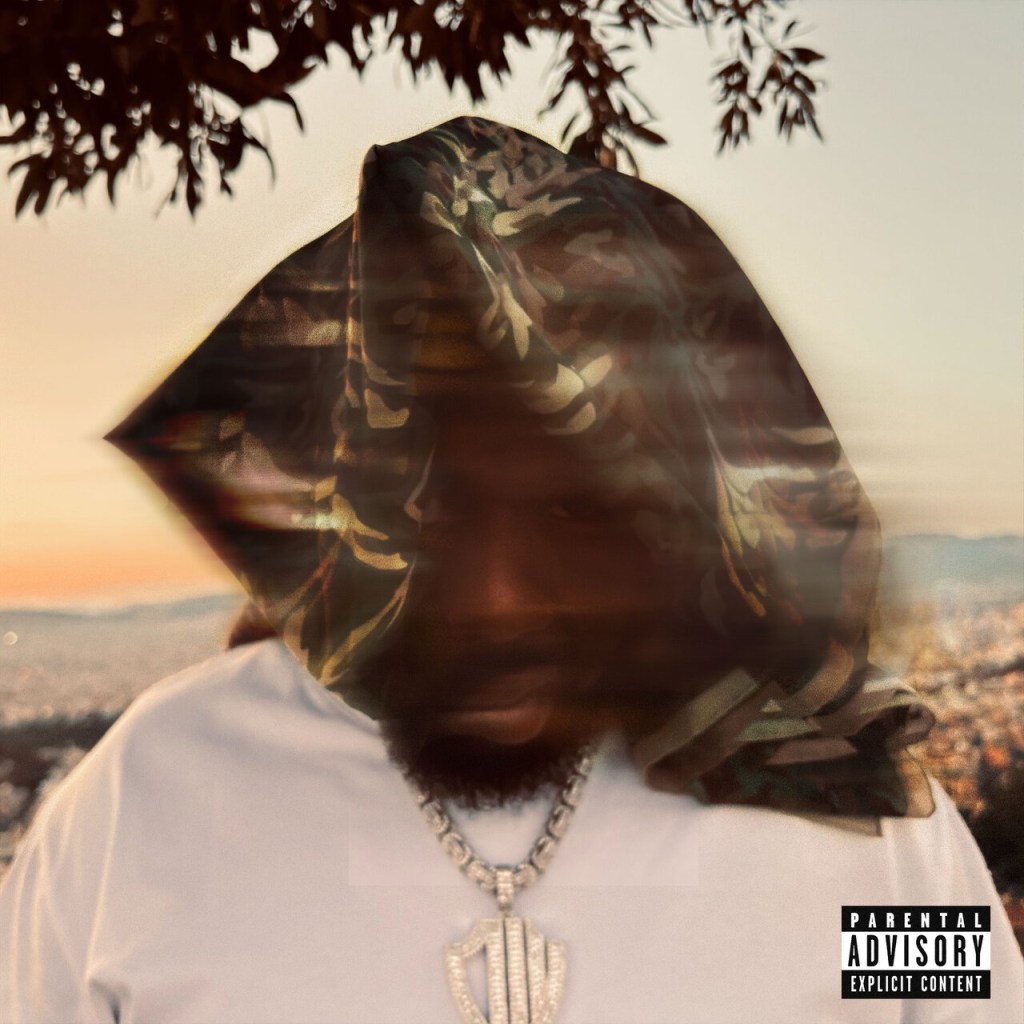
A Survivor’s Testament: Buffalo’s Most Resilient MC Delivers His Most Ambitious Statement Yet
The title alone is a declaration of war against mortality itself. For those unfamiliar with Conway the Machine’s harrowing backstory, it might sound like typical hip-hop bravado. But for Demond Price – the man behind the moniker – these words carry the weight of lived experience. In 2012, the Buffalo rapper survived gunshots to his head, neck, and shoulder, an attack that doctors initially feared would leave him paralyzed from the neck down. Instead, Conway emerged with Bell’s palsy, partial facial paralysis, and an unshakeable determination to become one of hip-hop’s most respected lyricists. More than a decade later, You Can’t Kill God with Bullets stands as his most definitive statement of invincibility.
Released via his own Drumwork Music Group in partnership with Roc Nation Records, this fifth studio album arrives after a relatively quiet 2025 for the typically prolific MC. Where previous years saw Conway dropping multiple projects while simultaneously nurturing his label’s roster, this time he chose patience over productivity. The result is an 18-track, hour-long journey through trauma, triumph, and everything in between – his most focused and intentional work since 2022’s critically acclaimed God Don’t Make Mistakes.
The Sound of Survival
From the opening moments of ‘Gun Powder,’ Conway establishes the album’s conceptual framework. Rather than coming out guns blazing (pun intended), the intro samples H. Rap Brown’s fiery 1968 ‘Free Huey’ rally speech about the relationship between Black people and power. It’s a deliberate choice that positions Conway’s personal resurrection within a broader historical context of Black resilience. The sparse drums thud like a heartbeat returning to life, setting a mood of defiance that permeates the entire project.
Production-wise, You Can’t Kill God with Bullets assembles hip-hop’s most elite beatmakers. The Alchemist, Conductor Williams, Daringer, and Apollo Brown – names synonymous with the Griselda aesthetic – deliver exactly what fans expect: dusty samples, cavernous drums, and that unmistakable vinyl warmth that sounds like it was recorded in a basement studio circa 1995. But Conway also ventures beyond his comfort zone, enlisting legendary super-producer Timbaland for the quirky ‘Crazy Avery’ and trap architect AraabMuzik alongside Beat Butcha for the thunderous ‘Nu Devils.’ These unexpected collaborations inject fresh energy without compromising the album’s cohesive vision.
Conductor Williams emerges as the project’s MVP, contributing four tracks including the pre-release singles ‘Diamonds’ and ‘Se7enteen5ive.’ His signature style – distorted lo-fi piano keys, horn stabs, and bass that hums like a warning – proves the perfect canvas for Conway’s narratives. The chemistry between producer and MC is undeniable; you can identify a Conductor beat before his tag even drops, and Conway rides each one with the confidence of a man who knows exactly where every beat will land.
Lyrical Warfare
If God Don’t Make Mistakes was Conway’s most personal album, You Can’t Kill God with Bullets is his most venomous. His raspy delivery – that permanent slur born from nerve damage – transforms every syllable into a declaration of defiance. When he raps on ‘Lightning Above the Adriatic Sea,’ ‘I was just in and out of central bookings / Now it’s Coachella bookings,’ the juxtaposition isn’t mere flexing; it’s evidence presented in his own defense against a world that tried to silence him permanently.
The J.U.S.T.I.C.E. League-produced opener sets the tone immediately: bass rumbles like distant thunder while Conway stacks lines about property ownership against post-shooting jealousy from former associates. His monotone delivery might seem detached to casual listeners, but longtime fans recognize it as the sound of someone who’s stared death in the face and walked away unimpressed.
‘BMG’ shifts gears with Sndtrak’s soulful boom-bap, horns swelling briefly before giving way to snares that crack like gunshots. Conway affirms Black excellence while threatening ‘demon time’ with equal conviction, creating an atmosphere where spiritual armor clashes with street menace. It’s this duality – the sacred and profane coexisting in every bar – that makes Conway’s writing so compelling. If you’re looking for a reference point, imagine Nas’s Illmatic-era storytelling filtered through Mobb Deep’s paranoid darkness, then add the lived experience of surviving what should have been fatal.
The Guest List
Notably absent from You Can’t Kill God with Bullets are Conway’s Griselda brethren Westside Gunn and Benny the Butcher. Since announcing his departure from both Shady Records and Griselda in February 2022, Conway has charted an independent path, and this album marks his clearest statement of artistic autonomy. Instead, he curates a guest list that complements rather than overshadows.
Roc Marciano, the architect of drumless coke-rap aesthetics, brings menacing gravitas to ‘Diamonds.’ The two trade bars over Conductor Williams’ eerie production, their chemistry evident in every exchange. While some critics wished for a full Roc verse rather than the back-and-forth structure, the format serves the track’s confrontational energy perfectly.
G Herbo’s appearance on ‘Nu Devils’ proves equally inspired. Over AraabMuzik and Beat Butcha’s trap-inflected production, Herbo recalls teenage riches while Conway sharpens threats, their gruff voices blending into a unified front of Chicago-Buffalo street narratives. The track thumps with sub-bass aggression, representing the album’s most direct concession to contemporary hip-hop trends without sacrificing lyrical integrity.
Tony Yayo and DJ Whoo Kid reunite for ‘Hell Let Loose,’ their G-Unit credentials adding nostalgic weight to Conductor’s eerie backdrop. Lady London flips expectations on ‘Attached,’ her verses about the impossibility of escaping the past complementing Conway’s themes of survival. Heather Victoria provides the album’s most commercially viable moment on closer ‘Don’t Even Feel Real (Dreams),’ her melodic hook offering a rare moment of warmth amid the project’s pervasive shadows.
Vulnerability Beneath the Armor
For all its aggression, You Can’t Kill God with Bullets reveals surprising emotional depth. ‘Never Sleep,’ produced by Detroit beatsmith Apollo Brown, features melancholic piano loops that would feel at home on a Ghostface Killah record. Conway reflects on street survival, fractured loyalties, and the memory of watching a friend’s humiliating arrest – small details that humanize the larger-than-life persona. The track concludes with a Carlito’s Way sample, connecting Conway’s narrative to cinema’s great tales of criminal redemption.
‘Hold Back Tears’ goes further still, with Beat Butcha providing appropriately mournful production as Conway grapples with an seemingly endless list of lost loved ones. In a recent interview, Conway explained the album’s genesis: ‘I’ve been through a lot these last couple years – injuries, business stress, people switching up, the internet talking crazy. And on top of that, I literally survived being shot in the head. The words just hit me one day. It summed up everything I’d been carrying.’
This transparency extends to mental health discussions, a topic Conway has increasingly embraced publicly. He’s spoken about the psychological toll of his facial paralysis – the ‘war in your mind’ of seeing a changed reflection, of knowing your children see a different father than before. On You Can’t Kill God with Bullets, these struggles surface between boasts, adding texture to tracks that might otherwise feel like standard victory laps.
Critical Considerations
At 18 tracks and over 60 minutes, the album occasionally tests listeners’ patience. The sonic palette, while consistently excellent, remains largely one-tone – gritty loops, bass-heavy beats, sparse arrangements dominating throughout. Tracks like ‘Hell Let Loose’ and ‘Otis Driftwood’ echo similar themes without introducing fresh perspectives, and the stream-of-consciousness sequencing occasionally causes individual songs to blur together.
Some instrumentals also suffer from mixing inconsistencies, sounding more like polished demos than finished masters. These technical issues, while minor, prove frustrating on beats that otherwise deserve pristine presentation.
Yet these criticisms feel almost beside the point. Conway didn’t make this album for playlist culture or casual streaming. You Can’t Kill God with Bullets rewards deep listening, revealing new details with each rotation. It’s a mood album in the truest sense – one that demands alignment with Conway’s headspace to fully appreciate.
The Verdict
Longtime fans will recognize You Can’t Kill God with Bullets as Conway’s strongest work since God Don’t Make Mistakes, perhaps even surpassing that album in sheer lyrical ferocity. He takes a relatable approach to songwriting – celebrating victories, mourning losses, confronting mental health struggles – while maturing the raw energy of early mixtapes like Reject 2 and G.O.A.T. The hunger that defined those projects returns, sharpened by a decade of survival and success.
For newcomers, this album serves as both introduction and evidence. Here is a rapper who transformed near-death into artistic immortality, whose slurred speech became a signature rather than a limitation, whose refusal to compromise spawned an entire movement of underground hip-hop revival. Conway didn’t just survive those bullets in 2012 – he alchemized them into motivation, turning trauma into currency without ever losing the grit that made him compelling in the first place.
The title may sound audacious, but Conway has earned every syllable. You genuinely cannot kill God with bullets. And after listening to this album, you might believe he’s proven his point.
(7.5/10) (Drumwork Music Group/Roc Nation Records)
 Writerz Block
Plaats een reactie