Albumreview by Jan Vranken
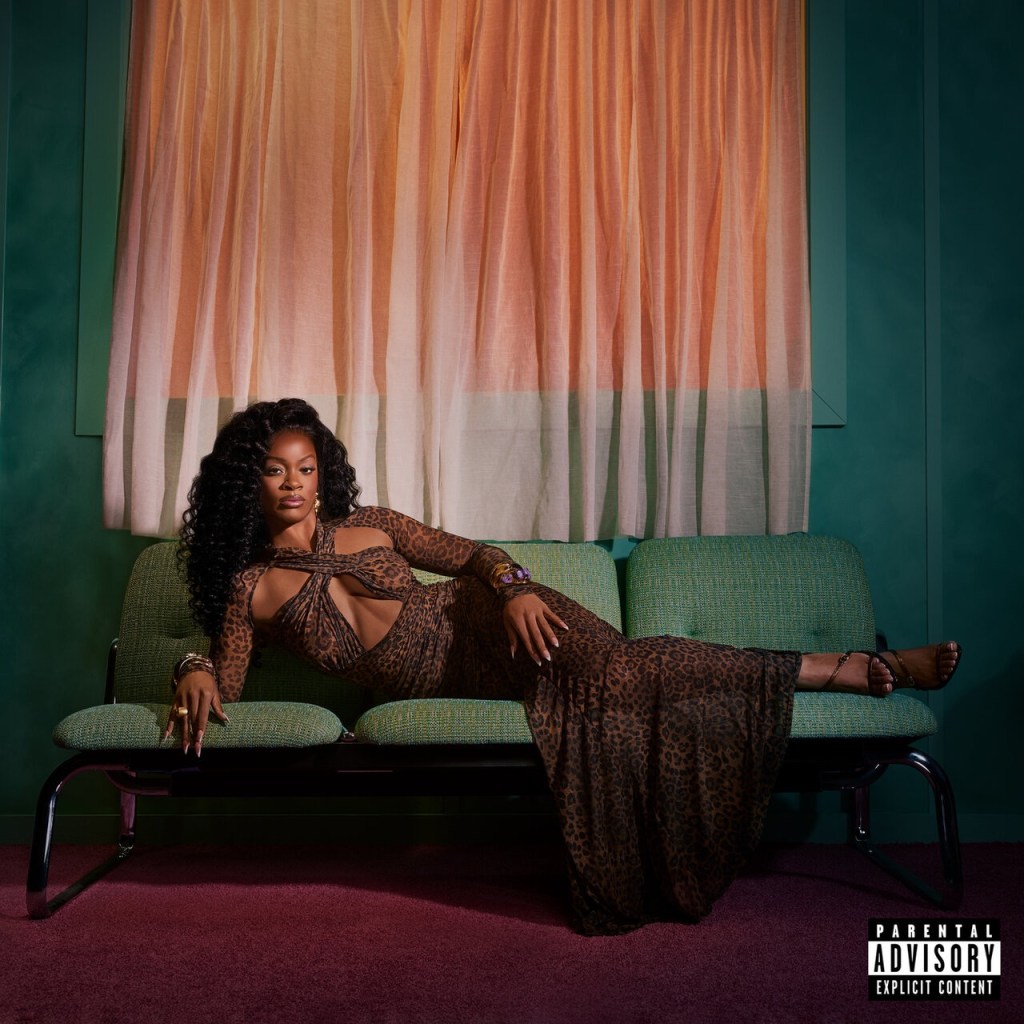
ARI LENNOX FILLS THE ‘VACANCY’ WITH VINTAGE SOUL AND MODERN DESIRE
The D.C. singer’s post-Dreamville debut is a cinematic exploration of longing, intimacy, and the exhausting math of modern romance
Three years is a long time to wait between albums, especially in an era when R&B artists are expected to maintain constant visibility. But Ari Lennox spent that time wisely, recording Vacancy across Atlanta, Los Angeles, and Miami in sessions that wrapped in summer 2025. The result is her most sophisticated work yet—a 15-track meditation on desire, vulnerability, and the terrifying prospect of opening yourself to love when past relationships have left you cataloging evidence and counting down seconds until disappointment arrives.
Vacancy marks a significant milestone: it’s Lennox’s first album since parting ways with J. Cole’s Dreamville imprint, giving her the creative autonomy she’s long craved. That freedom is audible from the opening notes of “Mobbin’ in DC,” a soulful hometown tribute that establishes the album’s sonic palette—warm, live instrumentation with basslines that roll rather than knock, production that feels both vintage and contemporary without forcing either aesthetic.
Working with executive producer Elite and reuniting with GRAMMY-winning producers Jermaine Dupri and Bryan-Michael Cox—the duo behind her chart-topping “Pressure”—Lennox crafts an album that sounds expensive in its simplicity. The production rarely overwhelms; instead, it creates intimate spaces where her remarkable voice can operate at full power. And what a voice it remains—capable of turning home repair metaphors into foreplay on the title track, where walls need painting, pipes are leaking, and table legs are shaky. It’s clever double entendre work that recalls classic ’70s soul, delivered with a wink and genuine heat.
But here’s where Vacancy distinguishes itself from typical R&B fare: Lennox isn’t content to simply seduce. She’s constantly testing, calculating, protecting herself from potential disappointment even as she extends invitations. “Twin Flame” finds her cooking and cleaning, ready to split the pension when she retires—generous gestures that immediately give way to anxious questioning: Do you feel the same way? Say you love me. It’s romantic and cinematic (she name-checks Jason’s Lyric, not coincidentally a 1994 film about complicated love), but the vulnerability cuts deep.
The urgency becomes explicit on “24 Seconds,” where she issues an ultimatum that keeps extending its own deadline. Hit her back or watch her move on—except the song reveals she’s still there when the clock runs out, still watching that phone far longer than she wants to admit. It’s not a power move if you’re bluffing, and Lennox is too honest a songwriter to pretend otherwise.
The album’s most unsettling moment arrives with “Under the Moon,” a track featuring Halloween-tinged imagery and a playful werewolf howl that masks something darker. Here, Lennox admits the pattern is destructive—silver bullets through his bullshit, hands on her throat while he’s ripping her clothes—and she knows she should leave but she’s already too far gone. It’s the only song where she acknowledges she’s repeating cycles she can’t break, which makes it the album’s most brutally honest offering.
Contrast that with “Company,” featuring Jamaican icon Buju Banton in a dancehall-R&B fusion that feels both vintage and contemporary. Here, finally, the defenses drop. Lennox just needs someone to break the dam and let her breathe, to watch the sunset and chat crazy without keeping score. Banton’s verse offers tenderness without demanding proof of worthiness—wrapping her up, rubbing her feet, watching Netflix without calculation. It’s what she actually wants when the posturing stops: presence without performance, company without constant negotiation.
The sex songs work when Lennox commits to playfulness. “Pretzel” maps yoga language onto bedroom flexibility with enough humor to stick. “High Key” promises to hit the high notes if you play nasty—straightforward and effective. And “Soft Girl Era” puts the price list directly in the chorus: first class, nails, hair, rent paid. She knows what she’s worth and isn’t apologizing, though the Dupri-produced track feels slightly out of step with the album’s overall aesthetic, more upbeat pop than the vintage soul that defines Vacancy’s best moments.
What emerges across these 15 tracks is a portrait of someone who knows exactly what she wants—from the room number to the deadline to the dollar amount—but can’t close the gap between desire and reality. She’s trapped in fifteen different variations of asking the same question and receiving the same silence back. By the time “Wake Up” returns to close the album with Lennox still cataloging evidence (eyelashes under the nightstand, hair on the bedsheets, suspicious text messages), it’s clear that knowing the problem and solving it are two entirely different challenges.
Not every album needs to resolve its central tensions, and Vacancy doesn’t pretend it has answers. What it offers instead is virtuosic vocal performance, production that serves the songs rather than overwhelming them, and lyrics that articulate the exhausting mathematics of modern romance with uncommon specificity. Lennox has evolved from the raw vulnerability of Shea Butter Baby through the complications of age/sex/location to arrive at something more atmospheric and cinematic—though no less emotionally direct.
If you remember how Erykah Badu made vulnerability sound like power on “On & On,” or how D’Angelo turned desire into something mystical on Voodoo, you’ll recognize what Lennox is attempting here. She hasn’t quite reached those rarified heights—the album occasionally gets caught in its own patterns, and some tracks feel like variations rather than progressions. But Vacancy confirms Lennox as one of contemporary R&B’s most essential voices, capable of making the familiar terrain of romantic anxiety sound both freshly observed and deeply lived-in.
The vacancy in the title refers to empty space, but also to new beginnings—starting over, which has been a constant theme in Lennox’s career. After leaving Dreamville, after heartbreak, after disappointment, she’s ready to fill that space with new love, new life, new experience. Whether she succeeds remains an open question. But watching her try—vulnerable, demanding, exhausted, hopeful—makes for compelling listening.
(7.5/10) (Interscope Records)
 Writerz Block
Plaats een reactie