The Guesthouse
Albumreview by Jan Vranken
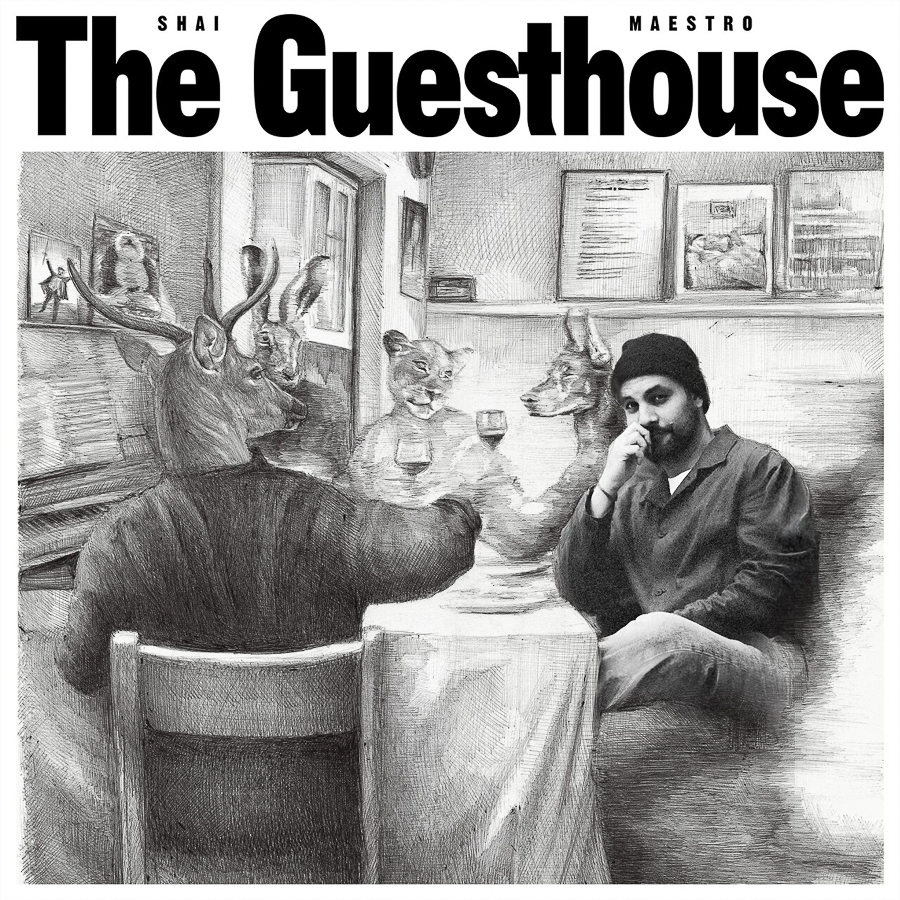
There are musicians who make albums, and there are musicians who build houses. With ‘The Guesthouse’, Israeli pianist Shai Maestro opts for the latter, literally and figuratively. Inspired by the poem of the same name by thirteenth-century Persian poet Rumi, Maestro throws open his creative world to anyone who cares to stop by. The door is wide open, and what drifts in is impressive.
Maestro may not be a household name among jazz fans in the English-speaking world, but within the international jazz scene his reputation has long been established. At nineteen he was already playing in the trio of acclaimed bassist Avishai Cohen, later spending years with Ari Hoenig, and solo albums such as ‘Human’ (2021) and ‘The Dream Thief’ (2018) earned him glowing reviews from specialist press. In 2025 he signed with the Paris-based label Naïve, debuting the partnership with the introspective solo piano album ‘Solo: Miniatures & Tales’. ‘The Guesthouse’ is its opposite: inviting, colourful and thoroughly ambitious.
More Than Just Jazz
The musical colour palette on this album is overwhelmingly broad. Maestro combines his regular quartet, with Gadi Lehavi on keyboards, Jorge Roeder on bass and Ofri Nehemya on drums, with a series of impressive guests. Young saxophonist Immanuel Wilkins, already one of the most talked-about voices in the new generation of jazz, delivers an inspired contribution to ‘Nature Boy’, the Eden Ahbez classic that has been reinvented countless times in the jazz world but takes on a new and gripping form here. Singer Michael Mayo, a virtuoso with a voice that sounds as though he invented his own instrument, shines on the understated duet ‘Strange Magic’. And Portuguese singer-songwriter MARO brings a moment of near-touching warmth to ‘Gloria’.
What makes this album truly special, however, is the way Maestro fully embraces electronic production for the first time. Partly recorded on an old grand piano at a meditation centre in Barcelona founded by his girlfriend, he deliberately experimented with unorthodox microphone placement close to the instrument’s hammers. The result is a piano sound that feels simultaneously familiar and strange, as if you are looking at a close friend in a dream. That Spanish percussive textures, flamenco rhythms and Fernando Brox’s flute also feature on ‘Moon of Knives’ says enough about the breadth of his vision.
Highlights and a Minor Caveat
Opening track ‘The Time Bender’ sets the tone with six minutes that are simultaneously restless and meditative, carried by the quartet’s rhythm and Maestro’s characteristically lyrical piano style. For those seeking an accessible entry point: ‘Strange Magic’ with Michael Mayo is the track to hear first, a duet that strikes the perfect balance between technical virtuosity and pure human feeling.
That Maestro writes lyrics here for the first time is noticeable. The lyrical ventures are modest in scope but sincere in tone, which suits the philosophy of the album. Those seeking firm footing amid the more abstract electronics-tinged passages will occasionally need time to adjust to the less conventional structures. ‘GG’s Metamorphosis’ is one such track: expansive and inventive, but also demanding for the untrained listener.
The Guidebook Rumi Never Wrote
At the album’s close stands ‘The Guesthouse’s Old Piano’, ninety seconds of quiet tribute to the aged instrument on which much of the album came to life. It is a kind of ending that encapsulates Maestro’s philosophy: be present, welcome the unexpected, and trust the moment.
‘The Guesthouse’ is not an easy album, but it is an honest and richly populated one. It sounds like a musician who knows precisely what he wants to say and has gathered enough friends around him to let him say it. Jazz as invitation, as conversation, as open door. If Rumi could have heard it, he would most likely have slipped off his sandals and simply sat down inside.
(8.5/10) (Naïve)
 Writerz Block
Plaats een reactie